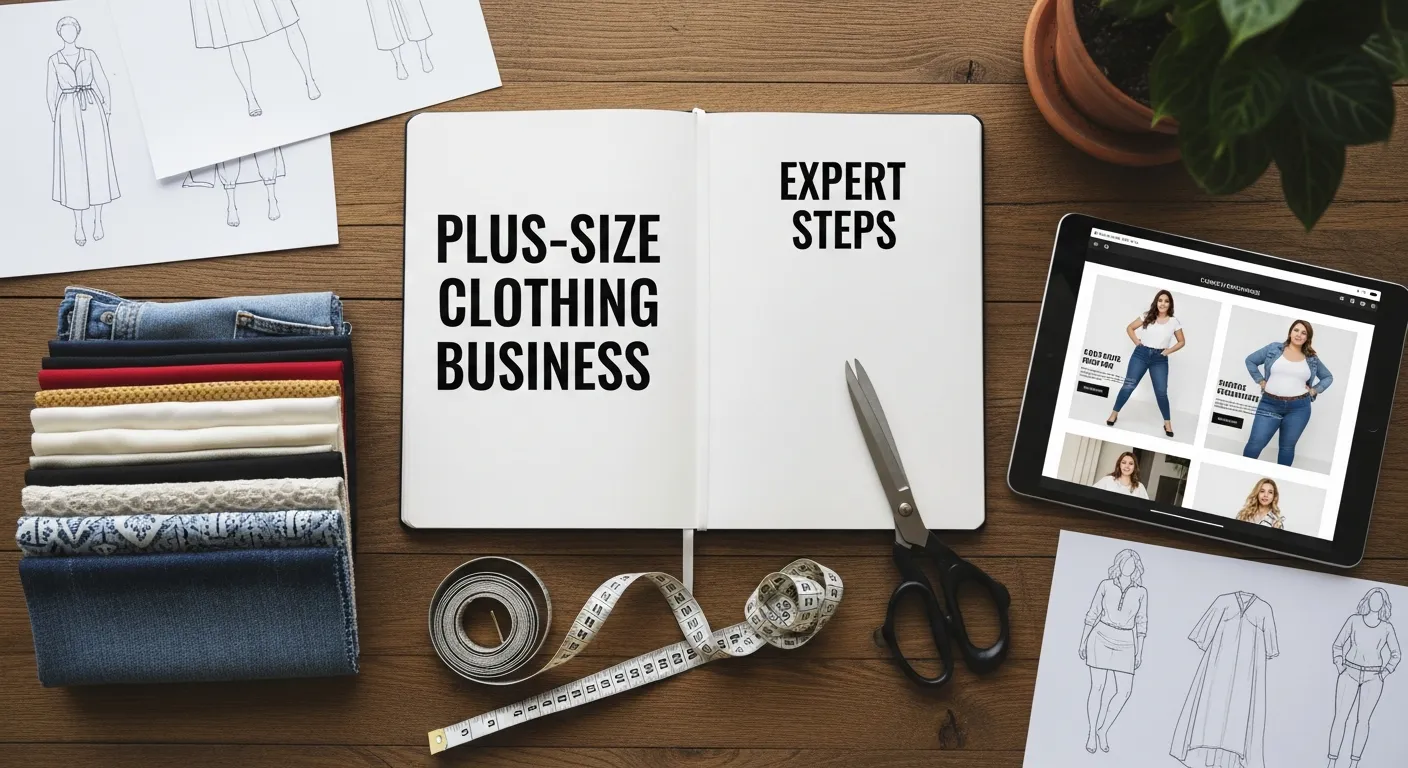
How to Start a Plus-Size Clothing Business: Expert Steps for Success
Starting a plus size clothing business meets a growing demand for stylish and comfortable fashion that fits a wider range of body types. Many customers feel underserved by traditional apparel brands, creating a strong market opportunity. The key to starting a successful plus-size clothing business is understanding your target audience and building a brand that offers quality, well-fitting clothes that meet their needs.

Launching this type of business requires careful planning, including market research, product development, and creating a clear brand identity. It also involves managing costs, finding reliable manufacturers, and knowing how to market to attract loyal customers. The right approach helps a new business stand out in an expanding industry that values inclusivity and style.
This guide will help entrepreneurs navigate the important steps from setting up their operations to growing their presence in the plus-size fashion market. By focusing on meeting real customer preferences and running an efficient business, owners increase their chances for long-term success.
Key Takeways
- Understanding customer needs is essential in plus-size fashion.
- Clear branding and quality products help build trust.
- Effective planning and marketing support business growth.
Understanding the Plus-Size Clothing Market

The plus-size clothing market is expanding quickly, with clear opportunities and some obstacles for new businesses. Successful brands focus on meeting diverse customer needs with stylish, well-fitting options, while managing costs and standing out in a competitive field.
Market Trends and Growth Opportunities
The plus-size fashion industry is growing fast due to higher demand for inclusive, fashionable apparel. The market size is projected to reach over $400 billion by 2030, growing around 4-5% annually. Consumers want clothing that reflects trends and fits well across a wide range of body types.
Social media has increased visibility and demand for body-positive brands, encouraging inclusivity. Categories like activewear, swimwear, and lingerie are becoming popular segments.
Brands that offer a broad size range (e.g., sizes 14 to 30+) and keep up with trends can capture a growing, loyal customer base.
Key Competitors and Benchmark Brands
Lane Bryant stands out as a leader in plus-size fashion, offering stylish, reliable apparel for women. Other major players include ASOS, Nike, and H&M, which provide extended sizes on select items.
These brands succeed through diverse marketing, inclusive sizing, and by addressing customer desires for modern, flattering designs.
New entrants should study these companies’ approaches to fit, design, and customer engagement to create competitive offerings.
Brands that build a clear brand identity around inclusivity and quality tend to gain stronger customer loyalty.
Challenges Facing New Entrants
Sizing and fit are major challenges for new plus-size clothing businesses. Plus-size bodies vary widely, making standard sizing difficult and causing customer frustration if garments don’t fit well.
Higher production costs also pose obstacles because plus-size clothes require more fabric and specialized patterns. This results in increased expenses for manufacturers, which need careful management.
Finally, sourcing quality materials and reliable suppliers can be complex. New businesses must focus on efficient supply chains and design processes to stay competitive while maintaining quality and fit.
Defining Your Target Audience

Knowing who the business will serve is crucial. It involves breaking down the different groups within the plus-size market, understanding their views on body positivity and inclusivity, and learning what they want in clothing. This clarity helps guide product design and marketing efforts.
Identifying and Segmenting Plus-Size Consumers
The plus-size market includes a wide range of consumers with different ages, lifestyles, and fashion needs. For example, some may look for casual wear, while others want formal or activewear. Segmenting the market by age, income, lifestyle, and style preferences helps focus product development.
Segmenting also allows a business to tailor marketing messages for groups like young adults who want trendy looks or older customers who seek comfort and quality. Understanding these differences improves customer satisfaction and builds loyalty.
Understanding Body Positivity and Inclusivity
Body positivity is about accepting and loving all body shapes and sizes. A plus-size clothing business should reflect this by promoting self-confidence and diversity. Inclusivity means offering styles that fit a variety of shapes, not just one standard plus size.
This mindset influences everything from design to branding. It encourages using images of diverse models and creating pieces that accommodate different body features, such as wider hips or fuller arms. This approach helps build trust with customers.
Researching Customer Preferences
Research is key to knowing what plus-size customers really want. Surveys, focus groups, and social media feedback provide direct insights into fabric choices, fit, comfort, and style trends. Customers often seek well-fitting, stylish, and durable clothing.
Collecting data on favorite colors, patterns, and types of clothing also helps shape the collection. Staying updated on fashion trends and listening to customer reviews leads to better products and higher sales. Consistent research helps adapt to changing needs over time.
Developing Your Plus-Size Clothing Line

Building a plus-size clothing line requires focus on design, production, and fabric choices. Each factor plays a key role in creating quality products that meet customer needs and stand out in the plus size fashion business.
Fashion-Forward Design Strategies
Design in the plus-size market must go beyond simply enlarging smaller sizes. Successful brands focus on cuts that flatter plus-size bodies, balancing style with comfort. Designs should use adjustable features like elastic waistbands and stretch panels to improve fit.
Fashion trends matter, but fit and functionality are more important. Offering a variety of styles—casual, workwear, and activewear—can satisfy different customer groups. Using fabrics that drape well and avoid bulkiness enhances the garment’s look.
Design teams should test prototypes with real users to ensure the clothes feel comfortable and look good. This helps avoid common mistakes such as poor fit or stiff fabrics.
Sourcing Plus-Size Clothing Manufacturers
Finding experienced plus-size clothing manufacturers is crucial. Start-ups often partner with OEM or ODM producers in regions like China, Vietnam, and Bangladesh. These manufacturers have expertise in plus-size garment construction and can offer cost-effective production.
Business owners should request samples before ordering large batches. Samples allow them to check quality, sizing accuracy, and sewing details.
Building strong communication with manufacturers helps avoid mistakes and ensures timely deliveries. It also makes it easier to scale production as the business grows.
Ensuring Fabric Quality and Fit
Fabric choice directly affects comfort and garment performance in plus-size clothing. Stretchy blends containing spandex or modal help provide flexibility and a better fit. Breathable materials increase wearability for everyday use.
Fit is the top priority for plus-size customers. Clothes must accommodate different body shapes with room in critical areas like bust, waist, and hips.
In addition to detailed size charts, brands can use real-person try-on videos to help shoppers choose the right size. This reduces returns and builds customer trust.
Choosing durable fabrics and testing them for colorfastness and shrinkage is essential for long-lasting quality products.
Establishing Brand Identity

Building a strong brand identity is essential for a plus-size clothing store to connect with its audience and stand out in the fashion market. Key aspects include crafting an inclusive message, creating a visible online presence, and partnering with figures that reflect the brand’s values.
Creating an Inclusive and Positive Brand Image
The brand identity should celebrate diversity and body positivity. This means the brand must communicate acceptance and confidence through its designs, language, and marketing materials.
Using empowering slogans and images that feature diverse body types helps reinforce a welcoming message. The brand’s values should focus on fit, comfort, and style tailored to real plus-size customers, not just larger versions of standard clothes.
Clearly defining these principles in the mission statement and marketing helps build trust with customers who want authenticity. Consistency in tone and visuals across all channels strengthens the inclusive image.
Building Brand Recognition Online
A well-crafted online presence is crucial for a plus-size fashion brand to gain visibility and attract customers. The website should showcase detailed product images, clear size charts, and easy navigation for shoppers.
Social media accounts must highlight new collections, customer stories, and behind-the-scenes content. Platforms like Instagram and TikTok are especially effective for visual storytelling and community engagement.
Consistency in using logos, color schemes, and messaging across all platforms boosts brand recognition. Regular updates and engaging content encourage followers to share and promote the brand naturally.
Collaborating With Models and Influencers
Choosing models and influencers who represent the plus-size community is important for authentic brand representation. These collaborators should embody the brand’s values of inclusivity and confidence.
Working with real plus-size models for campaigns and social media content shows a genuine commitment to fit and style for all body shapes. Influencers with engaged followings can widen the brand’s reach and increase sales.
Partnerships need to be honest and long-term, rather than one-off promotions. This builds credibility and fosters a loyal customer base that feels seen and valued by the brand.
Business Operations and Compliance

Starting a plus-size clothing business requires careful planning around legal, financial, and regulatory matters. These factors protect the business, support smooth operations, and ensure compliance with local laws. Attention to these details builds a solid foundation for growth and stability.
Choosing a Legal Structure
Selecting the right legal structure is critical for liability protection, tax purposes, and business management. Common options include:
- Sole Proprietorship: Simplest form, owned by one person, but offers no personal liability protection.
- Limited Liability Company (LLC): Popular choice that separates personal and business assets with flexible tax options.
- Corporation: More complex, suitable for larger operations or those seeking investors; offers strong liability protection.
The choice depends on factors like business size, risk level, and long-term goals. Registering the business properly with state authorities is essential to operate legally and open business bank accounts.
Business Licensing, Taxes, and Insurance
Operating a plus-size clothing business demands appropriate licenses and permits based on location and business type. Common requirements include:
- Sales tax permits to legally collect taxes from customers.
- Local business licenses for retail or online sales.
Tax compliance involves keeping accurate records and filing timely returns for income, payroll, and sales tax.
Business insurance protects against losses. Key policies to consider:
- General liability insurance covers injuries or damages.
- Property insurance protects store inventory and equipment.
- Product liability insurance is important if manufacturing or selling clothing to cover claims from defective items.
These coverages help minimize financial risks in daily operations.
Managing Startup Costs and Funding
Startup costs for a plus-size clothing business vary but often include inventory, store setup, marketing, and operational expenses. Typical expenses might be:
| Expense Category | Estimated Cost Range |
|---|---|
| Inventory | $30,000 – $150,000 |
| Store lease and renovation | $20,000 – $100,000 |
| Marketing and branding | $5,000 – $30,000 |
| Operating expenses | $10,000 – $50,000 |
Securing funding can come from personal savings, loans, or investors. Creating a detailed financial plan helps in estimating needs and managing cash flow. Proper budgeting ensures funds cover essential costs without interrupting business operations.
Marketing and Growing Your Plus-Size Clothing Business

Marketing a plus-size clothing business requires clear strategies for pricing, sales channels, and customer service. Each step must build trust with customers and encourage them to buy again.
Effective Pricing and Positioning Strategies
Plus-size clothing often costs more due to extra fabric and design needs. The key is finding a price point that covers costs but stays competitive. Brands can choose a high-end market with prices between $50 and $150 or an affordable range around $20 to $50 through mass production.
Positioning the brand matters as well. Successful businesses highlight inclusivity and body positivity. Using messaging like “designed for real bodies” helps build trust. Partnering with plus-size influencers and showing diverse models without heavy editing also strengthens brand image.
Developing an E-commerce and Retail Presence
A strong online presence is a must. Selling directly on a branded website using platforms like Shopify gives higher profits. Adding virtual try-on tools or detailed size charts can reduce returns. Expanding sales on marketplaces such as Amazon or Etsy increases exposure.
Offline retail can also support growth. Pop-up stores or fitting events build customer confidence by offering hands-on experiences. Combining online convenience with physical touchpoints creates a flexible shopping experience for plus-size customers.
Customer Service and Repeat Business
Good customer service keeps buyers coming back. Clear, free return policies ease worries about fit and quality. Providing detailed size guides with videos showing actual people helps customers choose right the first time.
A loyalty program with exclusive discounts and personalized suggestions encourages repeat purchases. Collecting feedback through social media or surveys lets the business improve product fit and service. Positive word of mouth from satisfied customers is key to long-term success.
Frequently Asked Questions
What are the initial steps to establish a plus-size clothing brand?
They must begin with detailed market research to understand the target customers’ preferences and needs. Next, defining a niche such as casual wear or activewear helps focus the brand’s identity.
Creating a clear brand message based on values like inclusivity or comfort is essential. Then, registering the business legally and designing initial products follow.
Can you successfully launch a plus-size clothing line with minimal investment?
Launching with low investment is possible using dropshipping or small-batch production. These methods reduce upfront inventory costs and allow more flexibility in testing products.
However, a basic budget is needed for product samples, marketing, and website setup. Careful planning and choosing affordable manufacturers help keep expenses low.
What are the best platforms to sell plus-size clothing online?
Direct-to-consumer sales through a brand-owned website provide control over pricing and branding. Online marketplaces like Amazon, ASOS Marketplace, and Zalando expand reach.
Social media platforms like Instagram and TikTok are effective for marketing and direct sales. Wholesale platforms like Alibaba and Faire connect brands with retailers.
How do you source quality plus-size garments from suppliers?
It is key to work with manufacturers who specialize in plus-size clothing to ensure good fit and fabric quality. Checking minimum order quantities, production times, and costs helps in planning.
Requesting samples and testing durability and comfort before bulk production reduces returns. Ethical and responsible manufacturing is also important for brand reputation.
What marketing strategies are effective for a new plus-size apparel business?
Building brand awareness through social media campaigns and influencer partnerships works well. Engaging customers with inclusive, body-positive messaging builds loyalty.
Using targeted ads and offering promotions on launch can boost initial sales. Creating content that highlights fit, comfort, and style appeals to the plus-size market.
What are the key factors in ensuring the profitability of a plus-size clothing venture?
Keeping production costs aligned with pricing is crucial. Accurate market research helps set competitive prices that customers will pay.
Strong branding and customer service improve repeat business and reduce returns. Expanding sales channels and regularly updating designs support steady growth.