How to Find a Clothing Manufacturer: Tips to Choose Right Partner
Finding the right clothing manufacturer is essential for turning a fashion idea into a finished product. It involves more than just picking a factory—it means choosing a partner who can deliver quality, meet deadlines, and support growth. The key to success is knowing your specific production needs and carefully vetting potential manufacturers based on those needs. This guide explains how to find a clothing manufacturer.
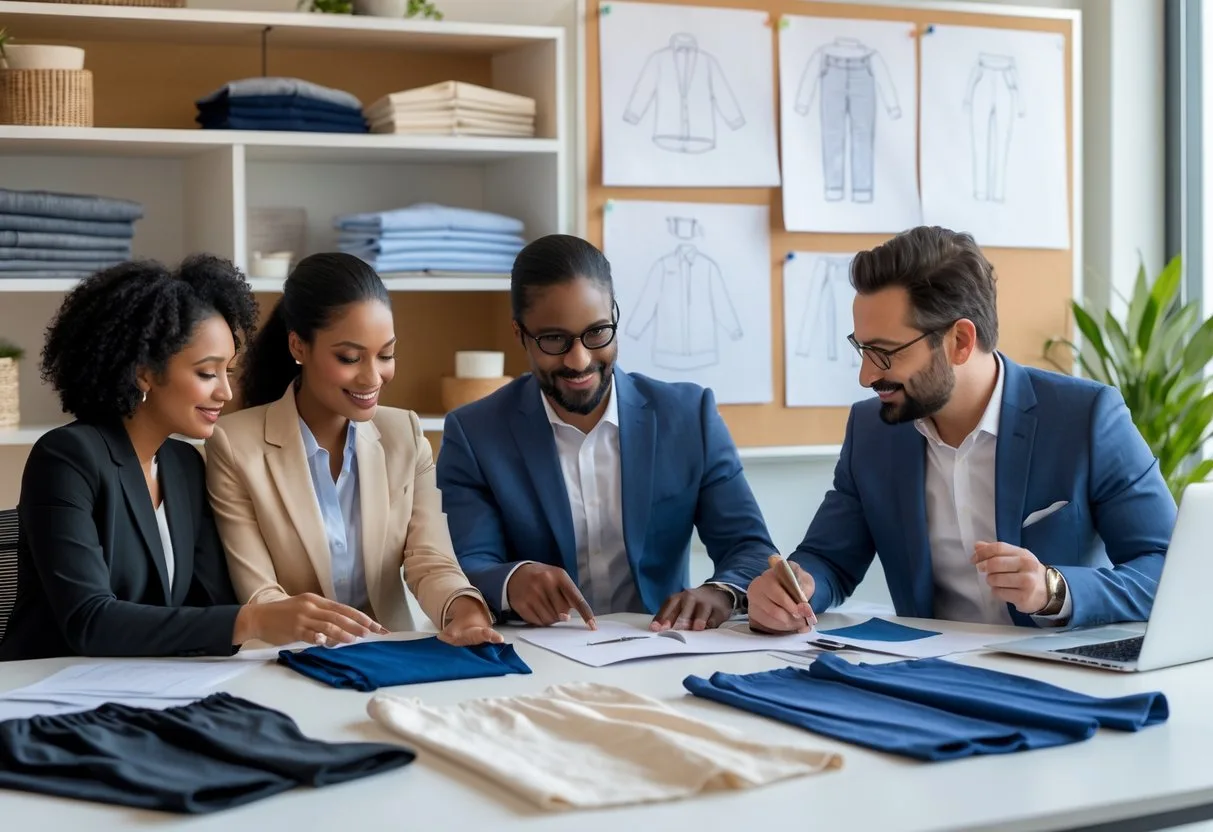
Many brands face challenges like high minimum order quantities or communication barriers, so understanding factors like order size, material requirements, and production timelines will help narrow down options. Exploring trusted sources, such as online directories, trade shows, and industry networks, can connect a brand with reliable manufacturers that fit its goals.
Building a strong relationship with a manufacturer encourages smoother production and better problem-solving down the line. Taking time to evaluate samples and ask the right questions ensures both parties have clear expectations, reducing risk and setting the stage for a productive partnership.
Key Takeaways
- Knowing production needs early guides the manufacturer search effectively.
- Reliable manufacturers can be found through industry networks and trusted platforms.
- Clear communication and sample reviews build strong long-term partnerships.
Define Your Brand’s Manufacturing Needs
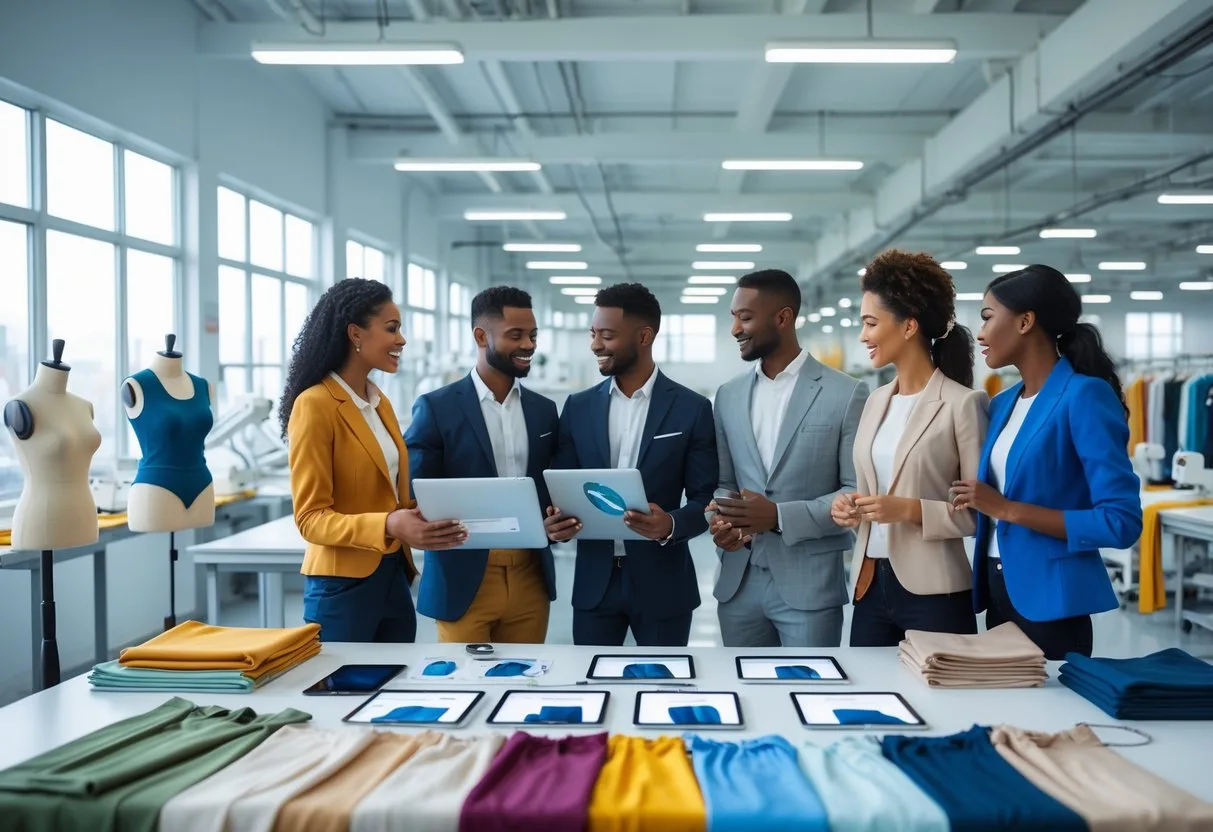
Understanding the specific requirements of a clothing brand is crucial before selecting a manufacturer. This involves knowing the types of products to be made, deciding on order sizes, and setting clear quality and technical standards. These factors guide the search and help find a manufacturing partner that fits the brand’s goals and operational needs.
Clarify Product Types and Specializations
It is important for a brand to identify the exact type of clothing it will produce. Different manufacturers specialize in various product categories, such as knits or wovens. Choosing a partner experienced in the brand’s product type ensures better understanding of construction techniques and appropriate machinery.
Materials and trims also play a significant role. Brands should determine whether they need custom-sourced fabrics or common materials. Complex designs with details like embroidery or special finishes need manufacturers with the skills and equipment to handle them. Aligning product type and specialization minimizes production issues and maintains quality.
Set Production Quantity and MOQ Requirements
A key factor is defining the volume of production. Startups often prefer small-batch runs with low minimum order quantities (MOQs) to reduce upfront costs and test the market. On the other hand, larger brands might commit to high-volume orders to benefit from lower costs per unit.
Knowing the MOQ helps avoid overproduction and manage inventory effectively. It also helps brands select manufacturers that can scale production as needed. Clarifying production quantity requirements early saves time and aligns expectations with potential factories.
Establish Quality Expectations and Technical Standards
Clear quality standards are essential to protect a brand’s reputation. Clothing brands should define the level of product quality they expect before production begins. This includes durability, fit, fabric weight, stitching, and finish details.
Technical standards such as approved fabric types and exact measurements should be documented in tech packs sent to the manufacturer. Regular quality control checkpoints, including pre-production samples, help ensure factories meet these standards. Setting these expectations upfront decreases the risk of defects and customer dissatisfaction.
Where to Find Reliable Clothing Manufacturers
Finding trustworthy clothing manufacturers requires using specific resources that offer verified suppliers and allow direct communication. Sourcing options vary from online platforms to in-person meetings and community-driven recommendations. Knowing where to look helps avoid delays and quality problems.
Online Marketplaces and Directories
Online marketplaces like Alibaba and Makers Row are popular starting points. Alibaba hosts thousands of manufacturers worldwide, offering competitive prices and the ability to request samples. Makers Row focuses on U.S.-based factories, which can be ideal for small-batch or streetwear brands looking for faster turnaround and better communication.
These platforms provide key information such as certifications and reviews to verify legitimacy. Buyers should always ask for product samples and factory audits to confirm quality. Features like direct messaging and video factory tours help clarify expectations before ordering.
Industry Trade Shows and Events
Trade shows and industry events remain essential for finding reliable clothing manufacturers firsthand. Events like the Canton Fair, MAGIC Las Vegas, and Texworld Paris gather global apparel producers under one roof. Attending allows buyers to assess fabric quality, discuss hoodie manufacturing or streetwear needs, and build personal relationships.
These shows help identify specialized manufacturers and keep up with trends. New brands benefit from networking opportunities and can negotiate better terms by meeting manufacturers face to face.
Referrals and Online Communities
Referrals from other brands or industry contacts are trusted ways to find reliable manufacturers. Online communities on platforms like LinkedIn, Instagram, and Facebook Groups focused on apparel production often share recommendations and production experiences.
Hashtags such as #clothingmanufacturer or #oemapparel help locate verified suppliers. These groups also warn of red flags, like poor communication or low-quality samples. Engaging with peers reduces risks and speeds up the sourcing process.
Evaluating and Shortlisting Potential Manufacturing Partners
Choosing the right manufacturing partner involves careful assessment of their skills, reputation, and ability to meet production needs. Key factors include their technical expertise, the feedback from past clients, and whether they can handle both current and future order volumes.
Assess Capabilities and Experience
It is important to check what types of garments the manufacturer has produced before. They should have experience with fabrics, techniques, and styles similar to those required by the brand. Reviewing their portfolio helps confirm they can meet specific design and quality needs.
Technical capabilities, such as pattern making, fabric sourcing, and finishing processes, are also crucial. Manufacturers with a full-service approach can simplify the production process by managing these tasks internally, reducing the need to coordinate multiple suppliers.
Experience in the fashion industry ensures they understand market demands, compliance standards, and quality control. This foundation leads to fewer errors and a smoother production timeline.
Review Client Feedback and Reputation
Feedback from previous clients offers insight into a manufacturer’s reliability and work quality. Brands should look for reviews or testimonials that mention consistency, communication, and adherence to deadlines.
Reputation can be checked through industry forums, social media, or direct referrals. A strong reputation often means the manufacturer is trusted and values long-term partnerships.
Pay attention to signs of poor customer service such as delayed responses or unresolved complaints. These issues may signal potential problems during production.
Examine Production Capacity and Scalability
Production capacity is the manufacturer’s ability to handle the order sizes required. It is essential to confirm their minimum order quantities (MOQs) match the brand’s needs.
Scalability means the manufacturer can grow alongside the brand. They should be able to increase output without sacrificing quality or delivery times as demand rises.
Asking about lead times and how they manage larger orders helps assess their flexibility. Choosing a partner prepared for growth prevents delays and lost sales when the brand expands.
Key Questions to Ask Clothing Manufacturers
When selecting a clothing manufacturer, it is important to gather detailed information about costs, timelines, quality standards, and payment rules. Clear communication on these points helps avoid surprises and keeps the production process on track.
Minimum Order Quantities and Pricing
Manufacturers often require a minimum order quantity (MOQ), which can vary widely depending on their size and capabilities. It is crucial to ask what the MOQ is, as this will affect the initial investment and inventory levels.
Pricing should be clearly explained, including unit costs and any factors that might increase the price, such as fabric choice or special finishes. Getting a detailed breakdown of production costs is helpful to plan your budget accurately.
Some manufacturers might offer discounts on larger orders. Understanding how pricing scales with volume can help optimize cost-efficiency.
Sampling and Production Timelines
Before full production, customers need samples to check quality and fit. Confirm if the manufacturer provides samples, how long it takes to create them, and if there is a fee.
Ask about the typical production time after sample approval. It includes lead times for cutting, sewing, finishing, and quality checks. Manufacturers should also clarify the expected delivery timeline.
Knowing the timeline helps in planning product launches and managing supply chain expectations.
Quality Control and Certifications
Quality control processes vary among manufacturers. Important questions include what tests they perform and how they handle defects.
Request information on any certifications the factory holds, such as ISO or eco-friendly standards. Certifications indicate a commitment to consistent quality or sustainable manufacturing.
Clear policies on how the manufacturer manages defective products or returns are important for risk management.
Payment Terms and Shipping Policies
Understand the payment structure upfront—such as deposit amounts, payment milestones, and methods accepted. Ask if there are penalties for late payments or any hidden fees.
Shipping policies should cover delivery methods, costs, and who handles customs if shipping internationally.
Ask if the manufacturer offers shipping support or if you must arrange logistics independently. Clear shipping terms prevent delays and confusion.
Requesting and Assessing Samples
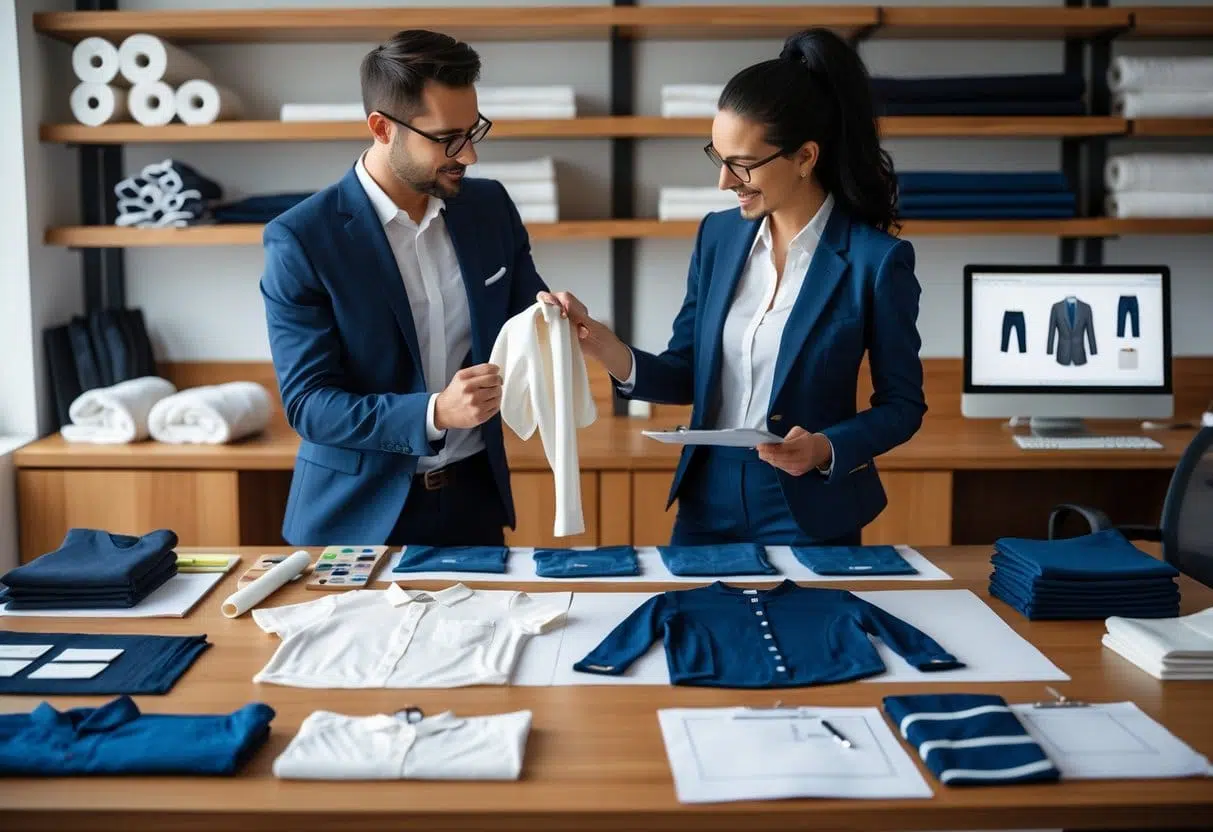
Requesting samples is a crucial step in working with a clothing manufacturer. It allows the brand to check if the product and packaging meet expectations. Paying close attention to the details in both areas helps avoid costly errors in large production runs.
Evaluating Product Quality and Construction
When evaluating samples, the focus should be on material quality, stitching, and overall construction. The fabric should match the specified type and feel, without flaws or inconsistencies. Seams need to be tight and even, with no loose threads or missed stitches.
Check details like hems, zippers, buttons, and any special features for durability and correct placement. The sample should reflect the design exactly, including color, fit, and finish. Any deviation may indicate challenges in full production.
Testing the sample for wear and tear can provide insight into production quality. Brands should ask for a prototype if custom designs require adjustments before approving a large order.
Inspecting Packaging and Labeling
Packaging must protect the product and align with the brand’s image. This includes the type of materials used, the quality of printing, and the accuracy of logos and labels. Proper labeling is essential for legal compliance and customer clarity.
Check if all tags, care instructions, and brand labels are correctly placed and durable. Packaging should be sturdy enough to prevent damage during shipping and handling.
It’s important to confirm that packaging quantities and presentation match agreed specifications. Finalizing packaging details early prevents delays and ensures customer satisfaction when products reach the market.
Building a Long-Term Manufacturing Partnership

A strong partnership with a manufacturer requires clear communication, shared values on ethics and sustainability, and a careful approach to order sizes. These elements help both parties work smoothly and grow together.
Setting Communication Expectations
Clear communication is essential. The manufacturer should assign a dedicated contact person to handle questions and updates. This helps avoid miscommunication and delays.
Regular updates on order status, production changes, and potential issues keep the process transparent. Both parties should agree on how often to communicate, whether by email, phone, or a client portal.
Fast responses matter. Ideally, the manufacturer should reply within 24 hours to keep the project moving. Clear communication builds trust and reduces costly mistakes in production.
Ensuring Ethical and Sustainable Production
Choosing a manufacturer that values ethical and sustainable production is important. This includes fair labor practices and using eco-friendly materials when possible.
Brands should ask for certifications like GOTS (Global Organic Textile Standard) or WRAP (Worldwide Responsible Accredited Production). These prove the manufacturer follows good environmental and labor standards.
Transparency is key. The manufacturer should share information about their factories and supply chains to ensure ethical practices. This commitment helps protect the brand’s reputation and satisfies customers who care about sustainability.
Starting With Small Batch Orders
Small batch orders are ideal for new brands testing the market. They reduce upfront costs and risks while allowing for product feedback.
Manufacturers offering low minimum order quantities (MOQs), sometimes as low as 50 pieces, make it easier for brands to start small and scale over time.
Starting small also helps evaluate the manufacturer’s quality and reliability without a large commitment. Brands can adjust designs and processes more easily before moving to larger runs, improving customer satisfaction long-term.
Frequently Asked Questions
What are the key factors to consider when selecting a clothing manufacturer?
They should focus on quality control, production capacity, turnaround times, and cost. Communication skills and reliability also matter. Minimum order quantities (MOQs) must fit the business size. Location matters for shipping speed and cost, so deciding between domestic or overseas manufacturing depends on priorities.
What steps should be taken to evaluate the quality of a prospective clothing manufacturer?
Request pre-production samples to check materials, fit, and workmanship. Review their production facilities if possible or ask for references. Look for consistency across multiple samples. Check how they handle quality control during the production process and whether they allow third-party inspections.
How can you negotiate terms and pricing with a clothing manufacturer effectively?
Start by understanding their pricing model, including setup fees and costs per unit. Negotiate MOQs based on your budget and growth plans. Agree on payment terms like deposits or installments. Include penalties for late deliveries or poor quality in contracts to protect your business.
What’s the best approach to sourcing a clothing manufacturer for a small business?
Begin with small-batch manufacturers who accept lower MOQs. Use online directories and industry groups to find options. Attend trade shows or consult experts to gather recommendations. Vet each manufacturer carefully and request samples before committing to larger orders.
How does one obtain sample garments from potential clothing manufacturers?
Contact the manufacturer with clear product specs and tech packs. Pay any sample fees required. Use samples to check fit, fabric, and details before full production. Review samples carefully and provide feedback for revisions if needed.
What is the process of working with an OEM clothing manufacturer?
OEMs produce garments based on your designs using their equipment and staff. Start by sharing detailed tech packs and materials lists. Approve pre-production samples to confirm quality. Monitor production with regular check-ins and quality control checks. Communicate openly to address any issues promptly.